
BACK
Aapresid Congress
DATE:
March - September 2020
|
ROL:
UX Researcher, Product Design
ABOUT THE PROJETC
ABOUT THE PROJETC
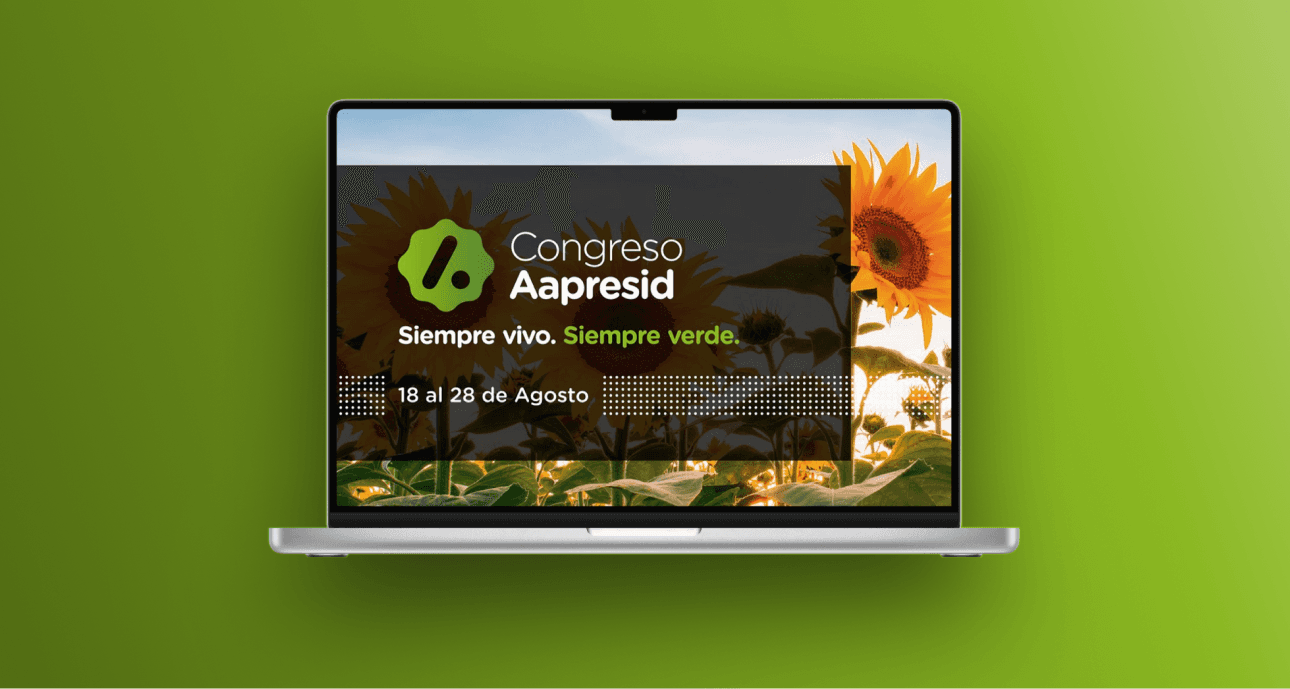
Aapresid is a non-profit organization in Argentina made up of farmers, technicians, and professionals from the agricultural sector. Every year it organizes a large-scale congress that brings together more than 5,000 attendees, with multiple parallel talks, technical exchange spaces, and commercial activities with industry partners.
In 2020, the pandemic created the challenge of transforming this historically in-person event into a digital experience without losing reach, impact, or value for the different stakeholders. The goal was to design an engaging online experience for attendees that was operationally viable for the organizing team and commercially sustainable.
Aapresid is a non-profit organization in Argentina made up of farmers, technicians, and professionals from the agricultural sector. Every year it organizes a large-scale congress that brings together more than 5,000 attendees, with multiple parallel talks, technical exchange spaces, and commercial activities with industry partners.
In 2020, the pandemic created the challenge of transforming this historically in-person event into a digital experience without losing reach, impact, or value for the different stakeholders. The goal was to design an engaging online experience for attendees that was operationally viable for the organizing team and commercially sustainable.
MY ROLE IN THE PROJECT
MY ROLE IN THE PROJECT
I led the design of the congress web platform, working closely with the commercial team and the content team to shape the end-to-end experience.
We also collaborated with two external teams: one responsible for the technical development of the platform and another specialized in live streaming. This interdisciplinary collaboration allowed us to integrate business objectives, content strategy, and technology into a single, cohesive digital product.
I led the design of the congress web platform, working closely with the commercial team and the content team to shape the end-to-end experience.
We also collaborated with two external teams: one responsible for the technical development of the platform and another specialized in live streaming. This interdisciplinary collaboration allowed us to integrate business objectives, content strategy, and technology into a single, cohesive digital product.


FIRST STEPS
FIRST STEPS
In the first stage, the work focused on identifying the main needs that the online congress platform had to address. Three priority areas emerged: first, fulfilling commercial commitments already made with sponsoring companies by ensuring visibility and interaction opportunities with participants; second, organizing conference coordination, including multiple simultaneous rooms, schedules, access, and participation of speakers from different locations; and third, managing the administrative aspects of the event, such as registrations, ticket sales, conference access control, and coordination of live streaming.
With the priority needs clearly defined, we began evaluating possible solutions with the development team, keeping in mind that we had very little time: the pandemic began in March and the congress was scheduled for August, so building a fully custom platform from scratch was not feasible. We analyzed available providers and technological alternatives and ultimately opted for a hybrid solution: we used an existing tool to manage the conference rooms and developed the commercial areas and general welcome section in-house. This approach allowed us to efficiently manage administrative and commercial aspects while ensuring the technical stability of the streaming and simultaneous conferences.
In the first stage, the work focused on identifying the main needs that the online congress platform had to address. Three priority areas emerged: first, fulfilling commercial commitments already made with sponsoring companies by ensuring visibility and interaction opportunities with participants; second, organizing conference coordination, including multiple simultaneous rooms, schedules, access, and participation of speakers from different locations; and third, managing the administrative aspects of the event, such as registrations, ticket sales, conference access control, and coordination of live streaming.
With the priority needs clearly defined, we began evaluating possible solutions with the development team, keeping in mind that we had very little time: the pandemic began in March and the congress was scheduled for August, so building a fully custom platform from scratch was not feasible. We analyzed available providers and technological alternatives and ultimately opted for a hybrid solution: we used an existing tool to manage the conference rooms and developed the commercial areas and general welcome section in-house. This approach allowed us to efficiently manage administrative and commercial aspects while ensuring the technical stability of the streaming and simultaneous conferences.
INICIAL PROPOSALS
INICIAL PROPOSALS
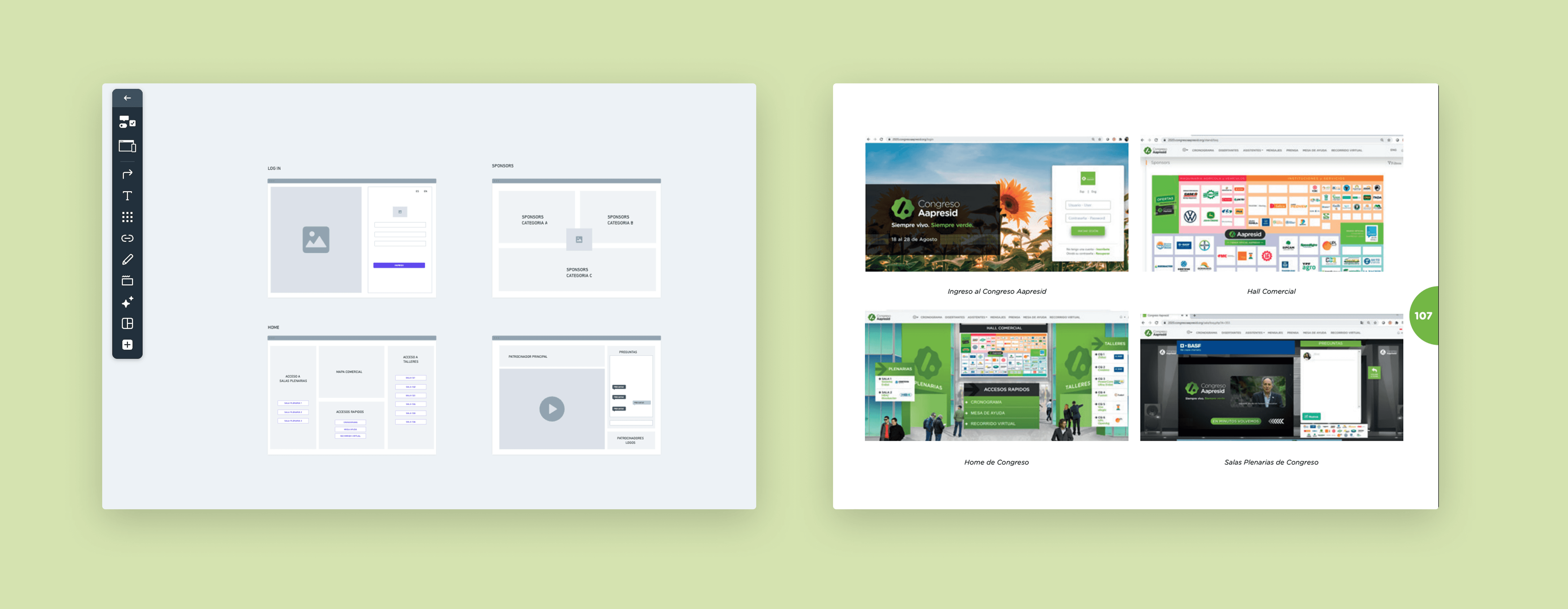
At this stage, we began working on the first low-fidelity proposals and wireframes. The goal was to quickly validate whether the solution addressed the critical needs. On one hand, we reviewed with the commercial team to ensure that the requirements for sponsor visibility and presence were met.
On the other hand, we worked with the content team to define the organization of the conference rooms: how many would be needed, which should be prioritized, how schedules would be structured, and how users would access each session. These initial prototypes allowed the teams to align on criteria and adjust the design before moving forward with development.
At this stage, we began working on the first low-fidelity proposals and wireframes. The goal was to quickly validate whether the solution addressed the critical needs. On one hand, we reviewed with the commercial team to ensure that the requirements for sponsor visibility and presence were met.
On the other hand, we worked with the content team to define the organization of the conference rooms: how many would be needed, which should be prioritized, how schedules would be structured, and how users would access each session. These initial prototypes allowed the teams to align on criteria and adjust the design before moving forward with development.
DESIGN AND DEVELOPMENT: DESIGNING UNDER PRESSURE
DESIGN AND DEVELOPMENT: DESIGNING UNDER PRESSURE
Designing with only three months of lead time and an unmovable deadline completely changed our decision-making process. The first critical conflict arose when the chosen tool for the conferences did not allow the level of visibility that sponsors needed. Together with the development team we evaluated alternatives and opted for a hybrid solution: using the external tool to ensure streaming stability and workshop management, while developing the commercial area and the welcome experience in-house.
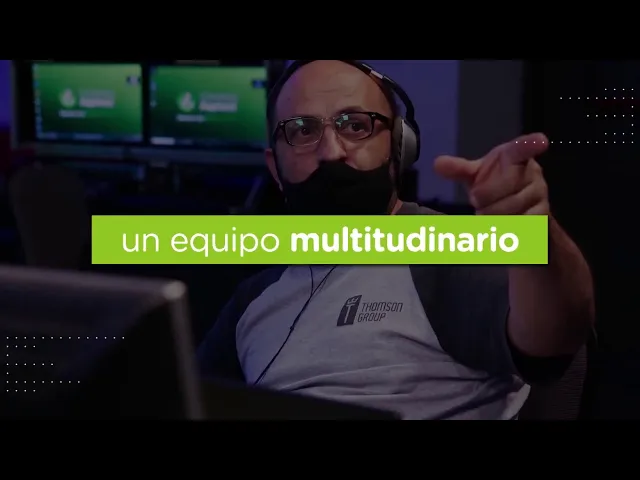
The second critical moment was the speaker experience. Faced with the technical friction that presenters encountered, I collaborated with the streaming team to simplify the access flow to a minimum, and we designed a step-by-step preparation guide. It was not part of the original scope, but it was vital to ensure the event ran without operational interruptions.
Designing with only three months of lead time and an unmovable deadline completely changed our decision-making process. The first critical conflict arose when the chosen tool for the conferences did not allow the level of visibility that sponsors needed. Together with the development team we evaluated alternatives and opted for a hybrid solution: using the external tool to ensure streaming stability and workshop management, while developing the commercial area and the welcome experience in-house.
The second critical moment was the speaker experience. Faced with the technical friction that presenters encountered, I collaborated with the streaming team to simplify the access flow to a minimum, and we designed a step-by-step preparation guide. It was not part of the original scope, but it was vital to ensure the event ran without operational interruptions.
COORDINATION WITH OTHER DEPARTMENTS
COORDINATION WITH OTHER DEPARTMENTS
At this stage, the solution was presented to the administration, member services, and finance departments. These sessions revealed something the wireframes hadn’t fully captured: each area had its own processes that worked informally during in-person events but needed to be explicitly designed for the digital environment.
The clearest case was member services. In a physical congress, inquiries are resolved instantly at a booth. In the digital format, that flow didn't exist, so we had to design a touchpoint within the platform to fulfill that function without creating additional friction for the attendee.
Coordination with speakers and the streaming team also directly impacted design decisions. Room access times, status messages during wait periods, and how attendees were notified of last-minute schedule changes were all points we adjusted as a direct result of these sessions.
At this stage, the solution was presented to the administration, member services, and finance departments. These sessions revealed something the wireframes hadn’t fully captured: each area had its own processes that worked informally during in-person events but needed to be explicitly designed for the digital environment.
The clearest case was member services. In a physical congress, inquiries are resolved instantly at a booth. In the digital format, that flow didn't exist, so we had to design a touchpoint within the platform to fulfill that function without creating additional friction for the attendee.
Coordination with speakers and the streaming team also directly impacted design decisions. Room access times, status messages during wait periods, and how attendees were notified of last-minute schedule changes were all points we adjusted as a direct result of these sessions.
AAPRESID CONGRESS 2020
AAPRESID CONGRESS 2020
The Aapresid Congress 2020 was a key virtual event for Argentine agriculture, held from August 18 to 28. Over nine days, more than 300 technical talks took place, with over 20,000 simultaneous attendees and the participation of more than 50 companies from the agricultural sector.
The event combined live conferences, networking spaces, and commercial activities, offering a complete experience for members, participants, and sponsors, demonstrating that it was possible to move a large-scale congress to a digital format without losing its reach or impact.
The Aapresid Congress 2020 was a key virtual event for Argentine agriculture, held from August 18 to 28. Over nine days, more than 300 technical talks took place, with over 20,000 simultaneous attendees and the participation of more than 50 companies from the agricultural sector.
The event combined live conferences, networking spaces, and commercial activities, offering a complete experience for members, participants, and sponsors, demonstrating that it was possible to move a large-scale congress to a digital format without losing its reach or impact.


Get in touch
mail: ruizrocio.e@gmail.com
Get in touch
mail: ruizrocio.e@gmail.com